
We teach our dogs tricks, but hubris may prevent us from recognizing what dogs can teach us. During my numerous trips around the sun and from watching my canine friends age, I’ll admit to a few things I’ve learned from my dogs.

Lately, I’ve observed Bella, my Border collie, changing some of her behaviors. As Bella has aged, she has developed Diabetes. Her Diabetes has clouded her eyes, similar to the cataracts I developed and had surgically removed. Due to her low vision, I’ve observed Bella bumping into doors and fences. When Bella and I take walks on the ranch, she has taken to trailing me by scent with her nose to the ground and with cocked ears, listening for my footsteps. Both are good adaptations to her visual loss.
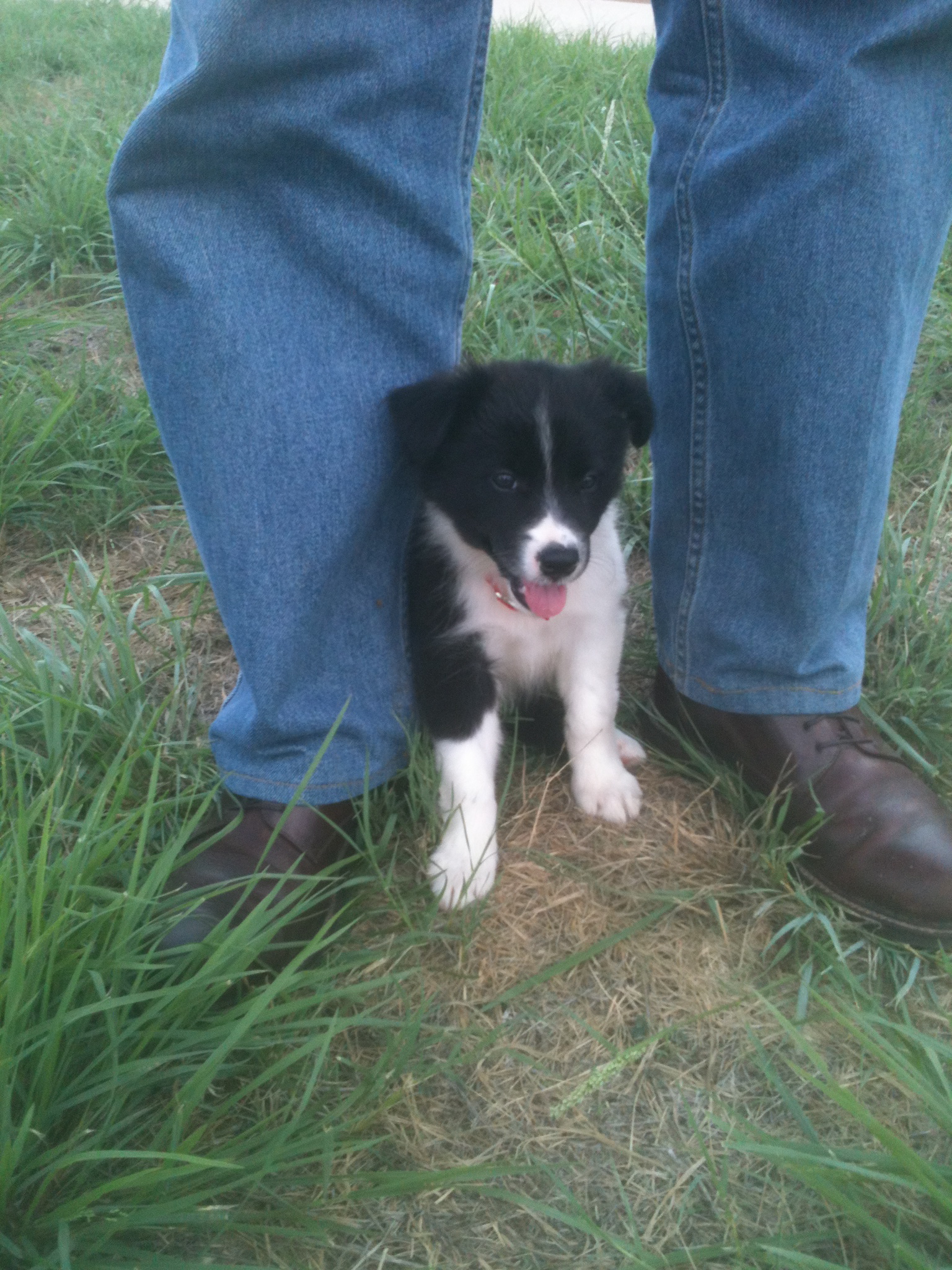
I am struck by her seeming calm acceptance of her sensory loss. Also I admire her desire to continue walks about the ranch, albeit it at a slower pace and requiring her other more intact senses to manage the task. She doesn’t seem to get upset with herself when bumping into objects but accepts her diminished vision with grace. The line from the Desiderata by Max Ehrmann comes to mind, “Take kindly the counsel of the years, gracefully surrendering the things of youth.” The writer rendered good advice, and Bella has modeled surrendering gracefully for me.
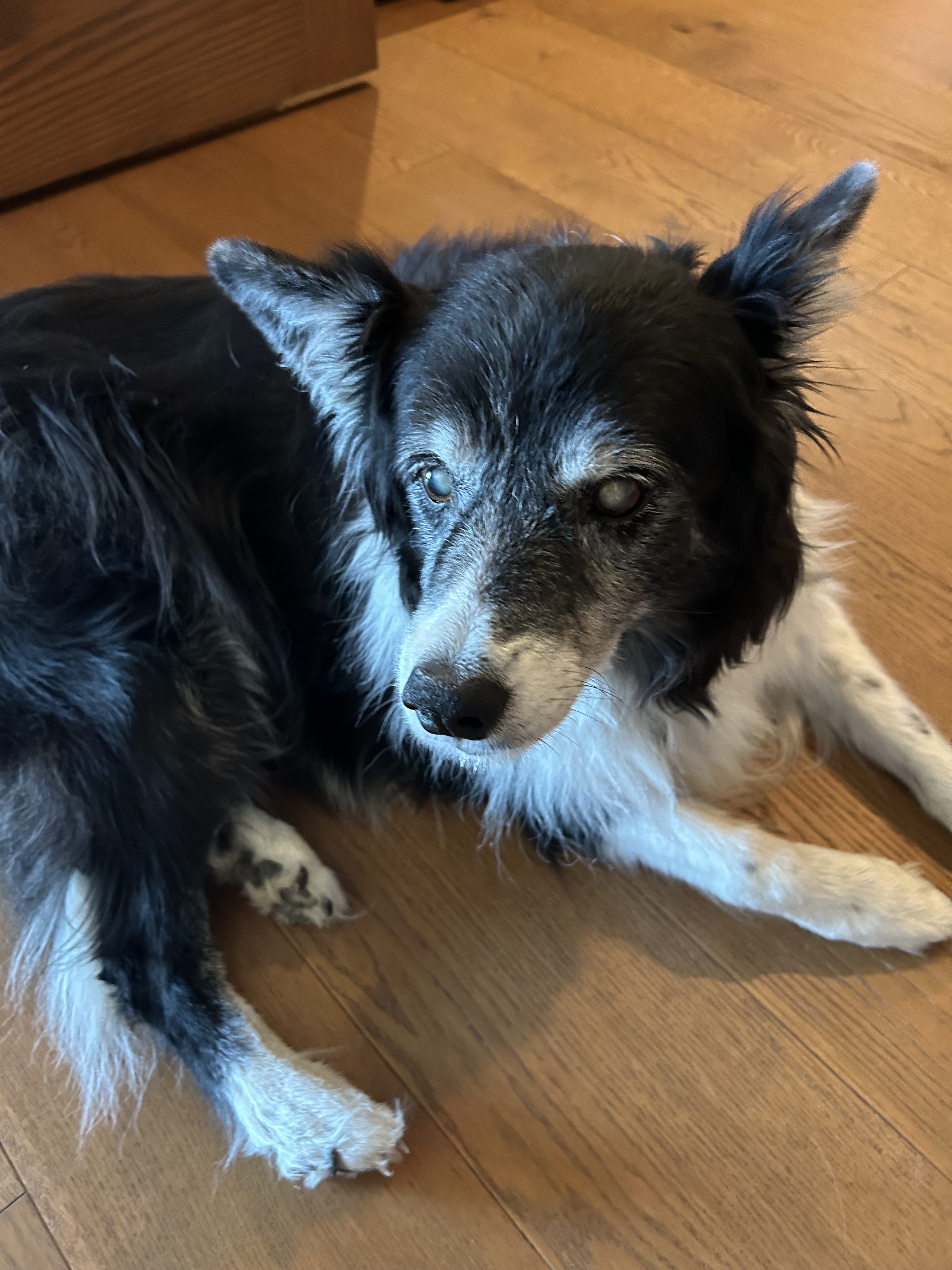
Frankly, Bella has modeled this behavior better than I. A number of times friends have asked me given my age if I ever consider selling the ranch and moving to an easier life in town? Or I’ve been asked, would I consider cutting back on my ranch activities? Certainly, the amount of work that is required in keeping up the ranch would be less if I were to sell it, and the injuries suffered from being around large animals would certainly be reduced. Yet my sheer enjoyment of the ranch with its views, purpose, and peacefulness prevents me from making drastic changes in my ranch activities. But in recognition of my growing physical limitations, I have learned to ask my ranch hand for more help when my loss of speed and balance would place me at greater risk.
Bella is now twelve years old. In dog years this makes her 84 years old. She certainly is not the energetic, athletic dog of her youth. Bella is now content to curl up in her place in the sun and snooze away the day. I too have found the comfort of a nap after lunch, and Bella and I often partake of a nap together in the afternoon. We still enjoy a walk late in the afternoon, but both of us take longer to recover from the exercise than we did earlier in our lives.

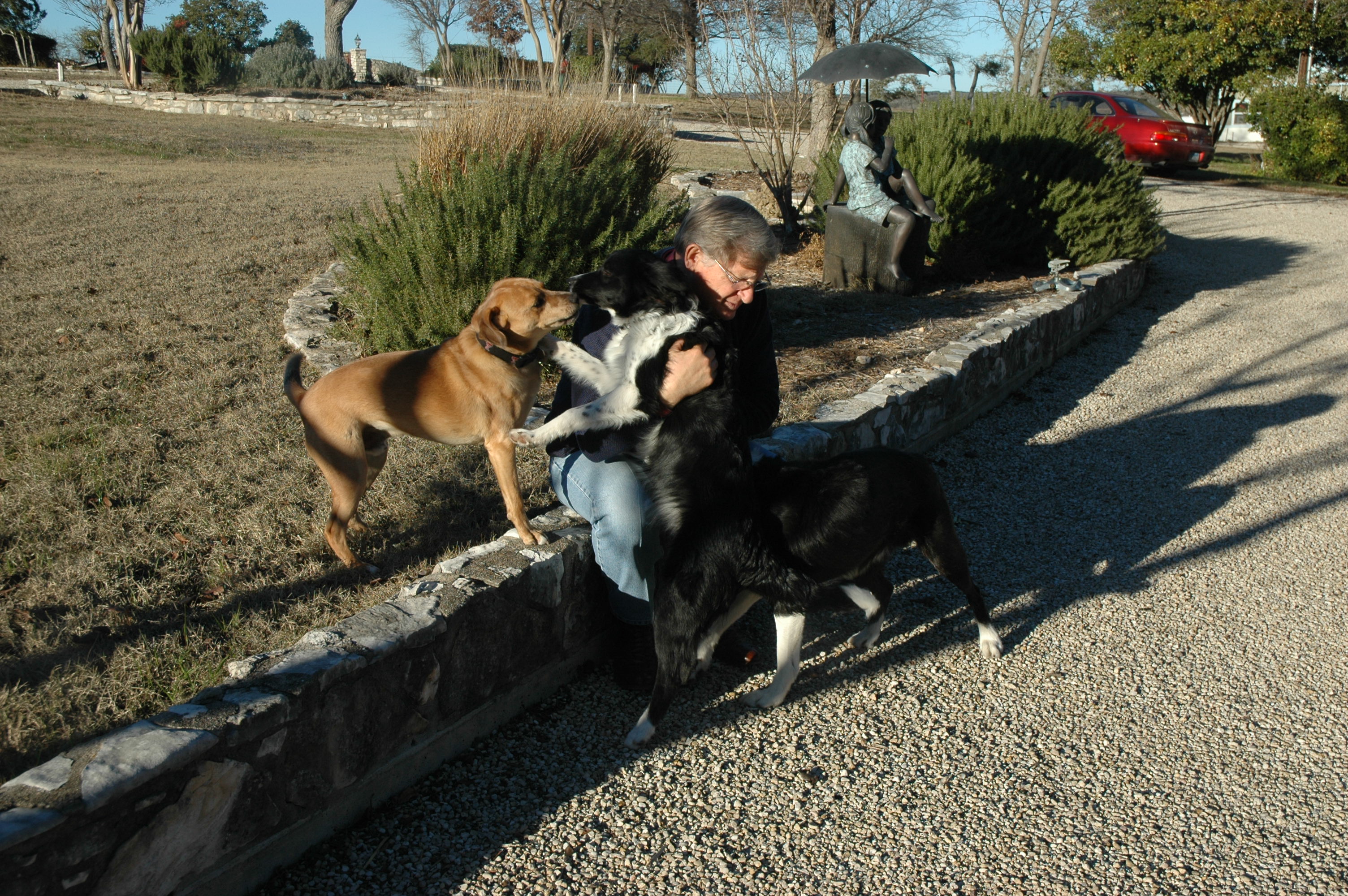
As Bella has aged, I’ve noticed her becoming increasingly dependent on Trudy and me. She now requires a boost when jumping into my pickup. She also needs help getting onto my elevated bed in order to take her afternoon nap. Bella no longer pays attention, or perhaps even sees, deer meandering through our yard or varmints on the ranch. I recall in earlier days when she and Jack, our rescue dog, would tear into marauding armadillos. It wasn’t pretty, but demonstrated amazing mutual hunting skills and athleticism. Armadillos by the way, can really run!
I suppose as we age, we all need to accommodate to diminishing physical skills whether it is wrestling calves, mowing the yard, or replacing light bulbs from a ladder. Avoidance of certain activities reduces risk of injury and are better left alone. This makes sense, but admittedly can be hard for humans, especially men, to accept.
While her physical skills have diminished with Bella’s aging, her love and extreme loyalty have only increased. She has taken to following me around the house, moving with me from room to room. She appears uneasy when not with me and will, with nose to ground, seek me out wherever I am. As I write this, Bella lies beside my desk, placed in such a way that I cannot leave my desk without having to alert her by stepping over her. She seems to gain pleasure from being with me, perhaps for protection or merely for the love and affection she receives.

Likewise, my desire for companionship and spending time with friends has also increased as I’ve aged. I’ve always been a person who needed human (and animal) companionship. Nevertheless, if I don’t have human or animal contact, I find myself missing it, even more so than in my earlier years.
I recall an earlier Border collie of ours named Molly who grew old and ill. The vet assumed she had cancer but she was still up and about and enjoying life to some extent. Shortly after seeing the vet, I awoke in the morning and found Molly dead on the floor not far from me. Molly accepted her illness with great stoicism, a strong trait in Border collies. The vet was embarrassed and regretted not offering to put her down earlier. I felt there was no need for his embarrassment, having witnessed the incredible stoicism of my serial Border collies.
I often recall Molly’s stoicism and that of my other Border collies when I hear aging human friends recount their numerous ailments. Jokingly, I refer to their complains by medical terminology as their “review of systems.” I hope that I will be able to retain a degree of Border collie stoicism in light of advancing aches and pains and potentially more serious health problems that undoubtedly will come with advancing age.
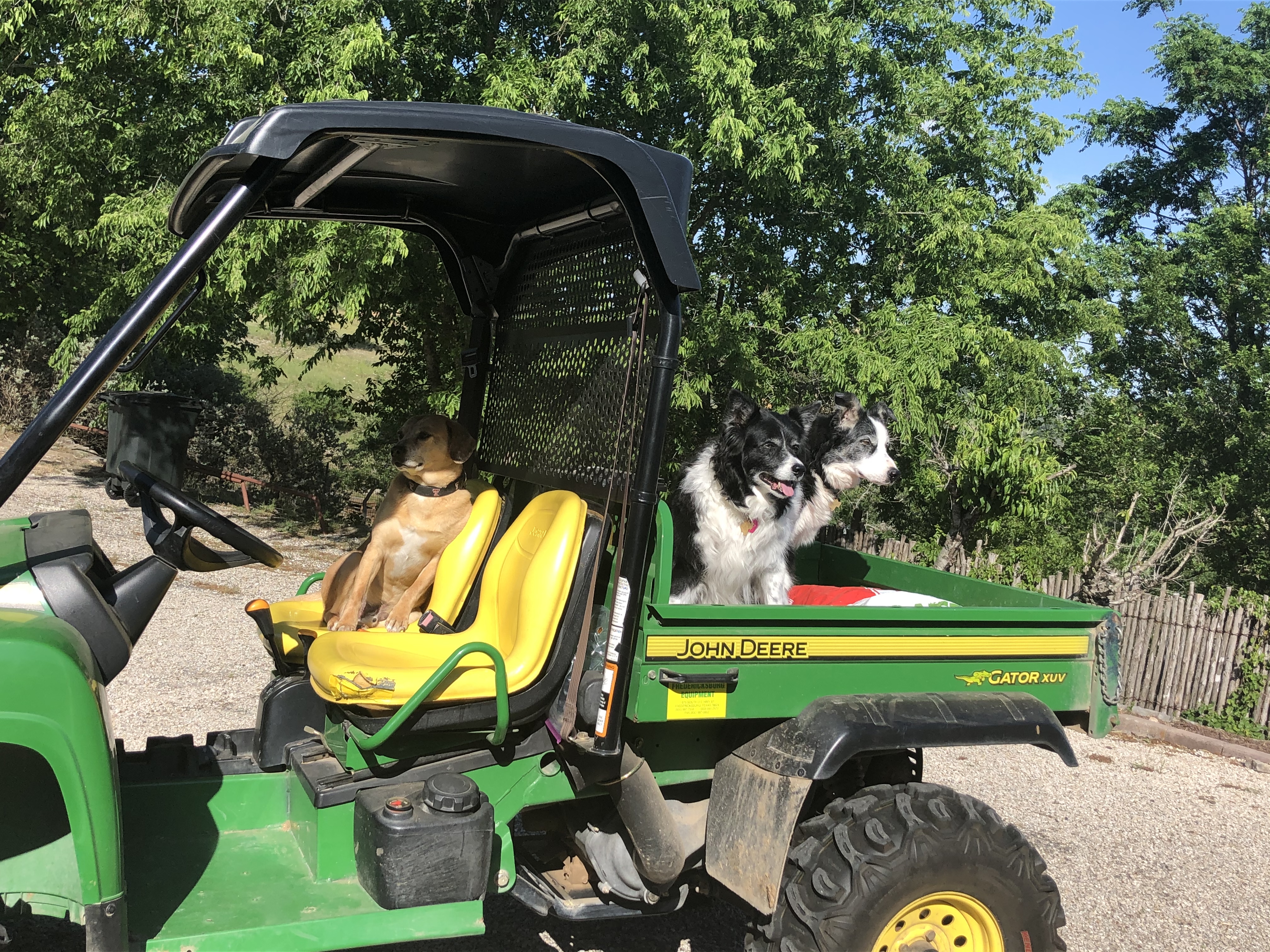
The lovely aspect of having serial dogs throughout my life is that with their shorter life expectancy I’ve observed the maturation and behavioral changes due to their aging. I’ve observed many cycles with my many dogs. Any teacher will share the importance of repetition for learning. My dogs have provided me healthy examples of how to age gracefully and model acceptance of life’s inevitable changes. For this I am most grateful.
If you have not had the chance to read my latest book, Hitler’s Maladies and Their Impact on World War II: A Behavioral Neurologist’s View (Texas Tech University Press), I invite you to do so. The book explores an important aspect of the Hitler story and World War II that has not been well studied. Many of Hitler’s catastrophic errors including the premature invasion of the Soviet Union in June 1941, the slowness of German forces to counterattack at the Battle of Normandy in 1944, and the highly risky Battle of the Bulge in late 1944 into 1945, can be better understood, knowing the sizeable impact that Hitler’s physical and mental conditions had on these vital battles.

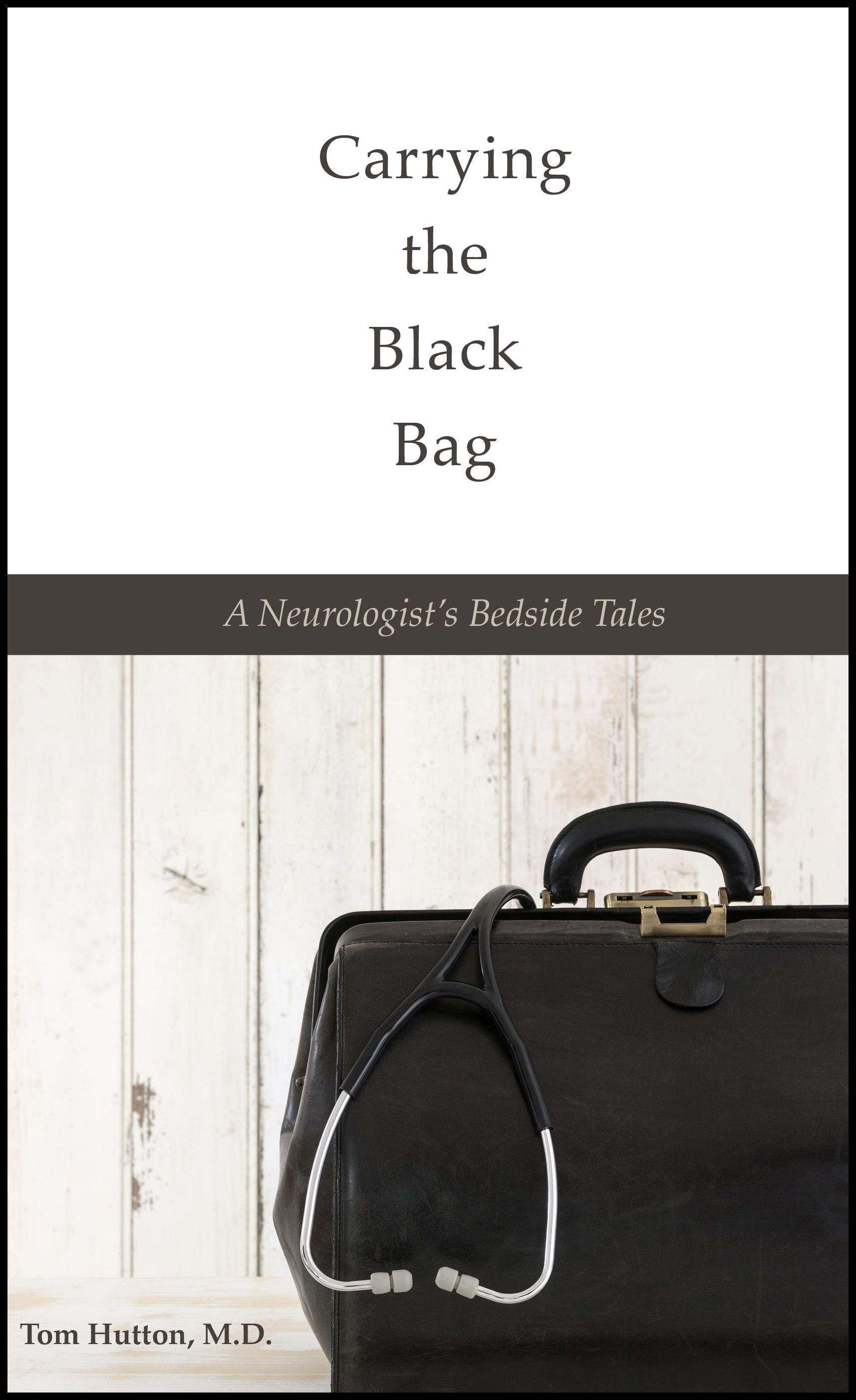
Also, consider picking up a copy of my earlier book, Carrying The Black Bag: A Neurologist’s Bedside Tales (Texas Tech University Press). Please join me on my personal journey as a physician and meet my patients whose reservoirs of courage, perseverance, and struggles to achieve balance for their disrupted lives provide the foundation for this book. But step closely, as often they speak with low and muffled voices, but voices that nonetheless ring loudly with humanity, love, and most of all, courage.

 Views From Medicine Spirit Ranch